
Imagine in a quick twist of events you go from having a wonderful day to dealing with IBD symptoms. Suddenly you go from feeling “fine” to having pain that’s gotten your attention quickly. You’re bloated and could pass for being 5 months pregnant, nothing sounds appetizing, you’re scared eating or drinking will further exacerbate your symptoms. The mere thought of ingesting anything makes you a bit nauseous. All your attention and focus is on tolerating the pain. Now pause.

It’s no surprise these symptoms significantly impact food choices and nutrient intake, as we’re forced to navigate the delicate balance between managing discomfort and maintaining proper nutrition. Understanding how GI symptoms influence dietary decisions and implementing strategies for managing these symptoms is crucial for IBD patients to ensure overall well-being.
Even as a veteran Crohn’s patient of nearly 20 years, I’ve been struggling to manage my diet while living with unpredictable painful symptoms that started to arise when I was put on a biosimilar medication in July 2024. I’ll be honest, lately when I’ve been dealing with abdominal pain and bloating, I’ve been refraining from eating. Turns out—surprise, surprise… that’s the last thing any of us should be doing. This week on Lights, Camera, Crohn’s hear from trusted registered IBD dietitian and ulcerative colitis patient extraordinaire, Stacey Collins, about how we can better navigate these challenges.
How have GI symptoms influenced your food choices?
If you’re in an active disease flare and dealing with an inflammatory response, you need protein and calories to overcome any risks for malnutrition. So how can we go about getting enough calories?
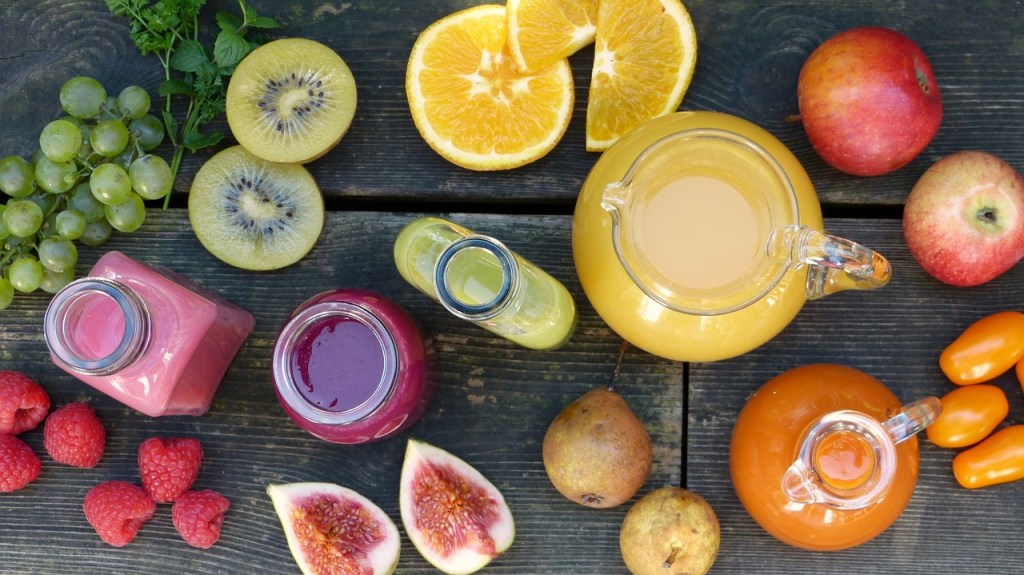
“Liquid calories aren’t always the tastiest—but smoothies and even nutrition shakes can be beneficial for those dealing with IBD symptoms and teetering on the line of a full-on flare. When you’re feeling well, try to designate part of one day a week where you make soups and smoothies ahead of time that you can freeze as a rainy-day investment to help you out on days when you aren’t able to expend the energy to prepare food,” says Stacey.

She also suggests “taking a holiday” from gut-health supplements you take—it’s not all or nothing. Take a break from your probiotic, prebiotic, anything that “helps with inflammation,” and enzymes (unless prescribed by your physician explicitly), and let your body relax from the burden of taking too many supplements.
Rather than avoiding eating altogether, which feels like the right thing to do when you’re in discomfort, try to maintain a consistent routine of eating to nourish your body to heal from a flare and avoid excess discomfort.
Our hypersensitive guts
When you live with IBD and you have a history of inflammation, visceral hypersensitivity, or an increased pain perception in the bowel, is a key factor to take into consideration.
“Acknowledge that a smoke alarm is going off, and then try deep belly breathing if that’s an accessible movement for you. I often tell people to lay down on the floor. If you have children, invite them to join! They can lay down beside you and do this exercise with you. Together, you can select a favorite toy or teddy bear: one for you and one for themselves. Put the bear on your belly and BREATHE! You should see the teddy bear move with your inhale as you breathe deep into your belly–see who can make the teddy bear go the highest. This can help you to return to your breath and welcome a sense of calm into your body. If this isn’t a great option for you, pausing to notice the exhale portion of your breath, intentionally making it a bit longer than the inhale, can be impactful in helping to calm the nervous system,” explains Stacey. “Clinically everything may be checking out okay with lab work, scans, and scopes, but it’s important to recognize if you’re dealing with pain, not everything is right. It can feel disorienting to not have that pain validated by labs and tests, which is why cultivating tools like these can be helpful to ride the waves of the pain while feeling just a little bit better in your body.”

When I decided to have soup last week after not eating all day, I was really taken aback by my abnormally loud bowel sounds while I was digesting. Stacey reminded me that when you go a long time without eating and then choose to eat something, that your gut will be working extra hard. This can lead to loud bowel sounds or Borborygmi. Anyone, including people with IBD, can experience hyperactive bowel sounds. When I heard my abnormally loud bowel noises the other day, it brought me back to past bowel obstructions where I would eat and people could hear my stomach making sounds in the other room.
What’s the deal with bloating?
Bloating in Crohn’s disease or ulcerative colitis is often caused by a combination of factors related to the underlying inflammation and the altered digestive processes associated with the disease. Some key factors include:
- Inflammation of the Gut: The intestinal lining disrupts normal digestion and absorption of food. When the gut is inflamed, depending on location and severity, it can lead to malabsorption, causing undigested food particles to remain in the intestines longer, which can increase gas production and bloating.
- Altered Gut Motility: Inflammation can impair the muscles in the intestinal walls that are responsible for moving food through the digestive tract. Slowed or irregular gut motility leads to delayed digestion and fermentation of food by gut bacteria, which can result in gas buildup and bloating.
- Imbalance of Gut Bacteria (Dysbiosis): People with IBD often have an imbalance in their gut microbiome (dysbiosis), meaning there are fewer beneficial bacteria and more harmful bacteria. This imbalance can lead to increased fermentation of carbohydrates in the colon, producing excess gas, which contributes to bloating. Not getting enough nutrition can make dysbiosis worse.
- Intestinal Gas Accumulation and Stool Burden: Inflammation in IBD can slow down the passage of gas through the intestines. This causes gas to accumulate in the gut, leading to bloating and discomfort.
- Small Intestinal Bacterial Overgrowth (SIBO): SIBO, a condition where excessive bacteria grow in the small intestine, is more common in IBD patients who are not in clinical remission. This bacterial overgrowth can cause excessive fermentation of food, leading to bloating, gas, and diarrhea.
- Dietary Factors: Certain foods, such as those high types of carbohydrates called Fermentable Oligo-Di-Monosaccharides and Polyols (FODMAPs), can sometimes be uncomfortable to digest and may temporarily need to be eliminated from the diet to help with bloating. Most often, this occurs in active Irritable Bowel Syndrome (IBS) flares.
- If IBD is in clinical remission but you’re experiencing IBS-symptom overlap, you may benefit from identifying FODMAP triggers with a dietitian. Re-introduction is an important phase of FODMAP-trigger identification, because these foods are often rich in pre-biotics, which are beneficial for the gut microbiome.
- Note: A low-FODMAP diet will not impact IBD-related inflammation. However, it may help with alleviation of symptoms. This diet is meant to be short-term and with the support of a registered dietitian.
- Other dietary factors: sugar alcohols, chewing gum, carbonated beverages, sugar-sweetened beverages may also contribute to gas and bloating.
- If IBD is in clinical remission but you’re experiencing IBS-symptom overlap, you may benefit from identifying FODMAP triggers with a dietitian. Re-introduction is an important phase of FODMAP-trigger identification, because these foods are often rich in pre-biotics, which are beneficial for the gut microbiome.
- Food Intolerances: Food intolerances in IBD have not been studied adequately, but the most common food intolerance in IBD is lactose, where there’s a lack of enzyme available to help break down the lactose sugar, resulting in gas production and bloating. IBD patients can develop intolerances to certain foods, such as lactose, gluten, or high-fiber foods, which can trigger bloating. The gut’s reduced capacity to break down these components can result in gas production and bloating.
- Inflammatory Strictures and Obstructions: Chronic inflammation can lead to scar tissue formation (strictures) that narrows parts of the intestines. This can cause a buildup of food and gas behind the narrow areas, resulting in bloating and abdominal discomfort. Discuss a monitoring strategy with your GI care team to ensure that you are not at risk for these complications.
- Abdomino-phrenic dyssynergia (APD): this occurs when the diaphragm and abdominal muscles do not coordinate appropriately, which can lead to bloating, distention, constipation, and pain. Bloating may worsen throughout the day, even without food. Pelvic floor physical therapists (PFPT) can help evaluate and treat a person with APD.
- Medications: Some medications used to manage IBD may contribute to bloating by altering the gut microbiome or affecting digestive motility.
Bloating can also be a result of constipation, but this certainly doesn’t feel like it makes sense when we’re going to the bathroom multiple times a day.
“This [urgency] can happen as a result of overflow diarrhea, when stool actually moves around more solid stool within our intestines, agitating the nerves and muscles, until there is a complete evacuation of all stool,” Stacey explains. (source)
Addressing symptom alleviation related to bloating typically requires a combination of anti-inflammatory treatments, dietary modifications (including hydration), gentle movement, behavioral modification techniques, and, in some cases, probiotics and/or antibiotics to rebalance the gut microbiome. I’ve found not wearing a tight waistband or anything that buttons at the waist can help reduce bloating. Whenever I wear Spanx, I usually end up feeling bloated.
A day in the life
I asked Stacey to walk us through a practice menu for making dietary choices to stay nourished when your IBD symptoms are getting in the way:
Practice menu
Note: this is not prescriptive; these are just some ideas. The key takeaway is to aim for consistent nourishment throughout the day in active disease flares, choosing nutrient-rich foods that will support you through a hard day. Work with a dietitian for personalization! No 2 diets necessarily look the same; no 2 days look the same.

Breakfast
- Low-fat Greek yogurt that’s low in lactose, which is usually gentle on the gut and rich in protein, probiotics and bone health minerals. Add in some mashed raspberries and bananas with a nut or seed butter
- Oatmeal—keep it simple, instant is fine. You can add a drizzle of olive oil to make it savory with additional omega-9 fatty acids for powerful anti-inflammatory support, soft boiled eggs, avocado, with a dash of thyme.
- If you simply can’t get over the idea of a savory oatmeal, just add some nut or seed butter and swirl it altogether with banana or applesauce and cinnamon
- Smoothie: a liquid base, some frozen fruits (1 Cup or less at a time), and handful of greens, and a 3rd party-tested protein supplement may be a comfortable way to start the day, sipping slowly and gently
Lunch
- cooked down starches, like squash, zucchini, cooked-down until fork-tender
- you can recycle these starches by adding them into a sandwich on sourdough, using tahini as a savory spread that will provide you with even more nutrition
- Salmon is easy to digest while providing a rich source of omega 3’s
- a nice pesto sauce to drizzle over the salmon would be delicious and rich in calories, perfect when you need additional nutrition and are feeling low on energy
Or, for something much simpler:
- never, ever underestimate the power of a pb + j
- a side of salty, simple-ingredient potato chips can replace any lost by diarrhea if you’re having an especially symptomatic day that causes you to make more bathroom trips
Dinner
- Rotisserie chicken (you can buy this directly from the grocer- no cooking required!)
- you can recycle leftovers into chicken salad to be used as a protein-rich spread for lunches or snacks
- Roasted potatoes, or potato soup (made in a slow-cooker for easy prep and clean-up!)
- Cooked green beans or carrots. (If lacking energy, throw some veggies in the slow cooker with broth for extra nutrition)
Snack ideas:
- peeled, salty edamame
- Hummus, cucumber and pita for dipping (can opt to peel cucumber if that feels better for you)
- Hummus, tahini, or guac on a tortilla, roll up some rotisserie chicken
- Avocado toast (cheers, Millennials!)
- Maybe pour yourself a cup of peppermint tea (unless you also deal with acid reflux)- this could give you some bloat relief, too!
Identifying the triggers
Many IBD patients identify certain foods that trigger symptoms like bloating, cramping, or diarrhea. For example:
- High-fiber foods: If too many are added at once, this can exacerbate bloating or diarrhea, leading many patients to avoid whole grains, raw vegetables, and legumes.
- Dairy products: Due to lactose intolerance, some individuals avoid milk and all dairy foods.
- Fried and fatty foods: These foods may slow digestion, causing discomfort or worsening symptoms.
The tendency to avoid certain food groups can result in nutrient deficiencies, especially if entire categories like fiber, fats, carbs, or dairy are removed from the diet. The unpredictability of IBD flare-ups can make patients apprehensive about eating. They may opt for bland or easily digestible foods, limiting their variety and nutritional intake. While this might offer temporary relief, it may not provide all the necessary nutrients, leading to long-term health complications such as malnutrition, weight loss, or vitamin deficiencies (e.g., vitamin D, B12, iron), or a poor food-related quality of life.

Tips for Managing Pain and Bloating While Ensuring Proper Nutrition
- Work with a Dietitian: IBD patients should work with a registered dietitian, preferably one who specializes in gastrointestinal disorders. A personalized diet plan and support can help patients identify trigger foods, balance nutrient intake, and minimize symptom flare-ups.
- Small, Frequent Meals: Eating smaller, more frequent meals can help reduce bloating and cramping. By spreading out food intake throughout the day, the digestive system may be less overwhelmed, potentially alleviating pain and bloating while allowing for better nutrient absorption. Reach for simple ingredients.
- Eat mindfully in a relaxed environment: chew thoroughly, allowing more time for enzymes in the mouth to aid in digestion, so food is more comfortable to digest as it travels down the GI tract. Mindful eating is also associated with
- Cooked and Pureed Vegetables: For patients struggling with fiber tolerance, switching from raw to cooked or pureed vegetables can provide some of the essential nutrients from vegetables without causing additional bloating or pain. Cooking helps break down the fiber, making it easier to digest. When in doubt, aim for “fork-tender” fruits and vegetables if you’re in a flare, rather than keeping them out of your diet altogether if you can.
- Incorporate Nutrient-Dense Foods: Nutrient-dense, easily digestible foods like bananas, white rice, eggs, and lean meats (like chicken and turkey) can provide essential vitamins, minerals, and protein without aggravating symptoms. Incorporating bone broths, smoothies, and pureed soups can also help patients maintain a balanced diet while being gentle on the GI tract.
- Stay Hydrated: Hydration is crucial, especially for IBD patients who experience diarrhea. Drinking water, broth, and electrolyte-rich fluids can help maintain fluid balance, prevent dehydration, and support digestion. Add salt to your food for hydration. If you’re struggling to maintain hydration, you may benefit from an oral rehydration solution (ORS).
- Pain Management Techniques: Alongside diet adjustments, pain management techniques such as relaxation exercises, yoga, or gentle physical activity may help ease abdominal pain and bloating. Walking will help with bloating and gas. Don’t overdo it, even a walk to the mailbox after eating is beneficial. Additionally, medications like antispasmodics or anti-inflammatory drugs, as prescribed by a healthcare provider, can reduce inflammation and pain, allowing patients to eat more comfortably.
Final thoughts
IBD patients face daily challenges in managing symptoms like pain and bloating while trying to maintain adequate nutrition. During a Crohn’s flare, it’s essential to focus on easy-to-digest foods while maintaining hydration and nutrient intake. Consider how to alter the texture of colorful, nutritious fruits and vegetables for comfort, rather than taking them away altogether- your body needs the nutrition for healing! Working closely with healthcare professionals, including a dietitian and gastroenterologist, ensures that patients can minimize symptoms while meeting their nutritional needs, leading to better long-term health outcomes. The goal during a flare is to reduce irritation, manage symptoms like diarrhea, pain, and bloating, and to keep eating while welcoming more anti-inflammation through nutrition!

Helpful resources
Abdominal Pain in Inflammatory Bowel Diseases: A Clinical Challenge – PMC (nih.gov)
Diet and Nutrition in Inflammatory Bowel Disease: A Review of the Literature – PMC (nih.gov)
Managing Pain & Fatigue in IBD (youtube.com)
IBD Diet Guide: Nutrition for Active Inflammatory Bowel Disease (uchealth.com)
Special IBD Diets | Crohn’s & Colitis Foundation (crohnscolitisfoundation.org)
What Should I Eat? | Crohn’s & Colitis Foundation (crohnscolitisfoundation.org)
 lights camera crohn's