
For many people living with Inflammatory Bowel Disease, the possibility of ostomy surgery can bring a complicated mix of emotions. Fear, uncertainty, grief, and even relief can coexist when medications stop working and surgery becomes a path toward reclaiming quality of life.
But what happens when you’re the one who has to make that decision?
For fellow patient advocate Jenna Ziegler, the road to ostomy surgery was paved with years of medication trials, hospitalizations, difficult conversations, and the emotional exhaustion of wondering what would come next. After years of trying to get her Crohn’s disease under control, Jenna reached a point where she knew something had to change.
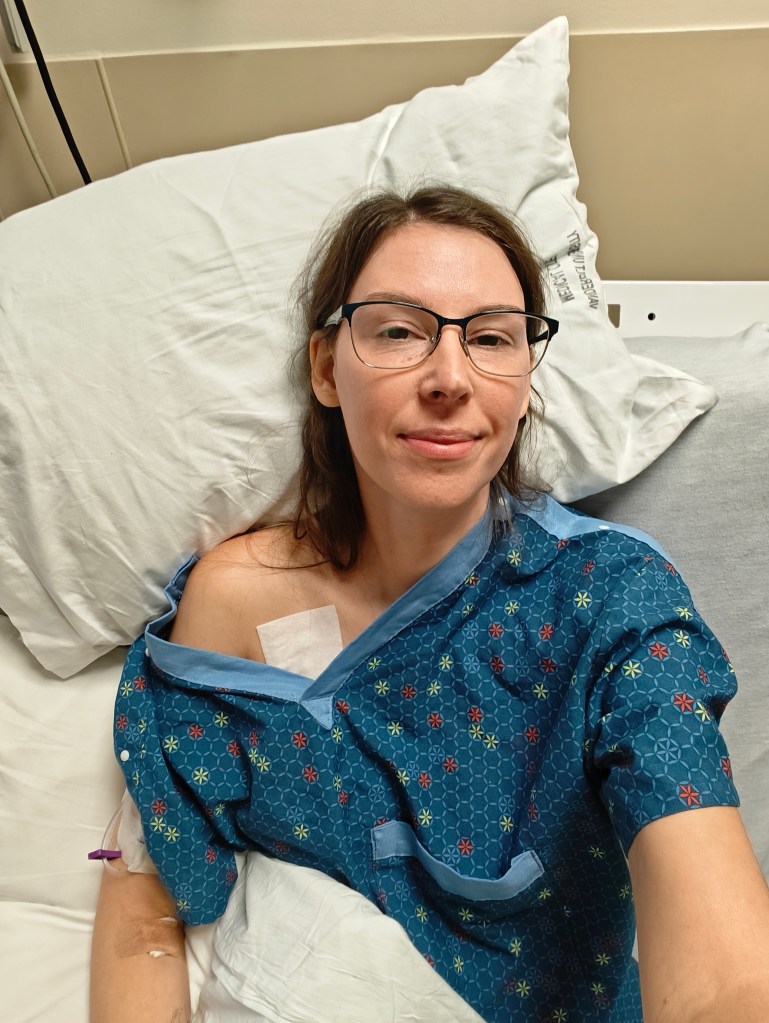
On November 7, 2025, she underwent a subtotal colectomy and received a permanent ostomy, keeping her rectum for the time being.
Looking back, Jenna says she wishes she had undergone surgery years earlier.
In this first installment of our two-part Lights, Camera, Crohn’s series, Jenna opens up about how she reached that decision, the importance of finding a medical team that listens, preparing mentally for surgery, and what she wants other patients to understand before considering an ostomy.
When medications stop working, surgery becomes part of the conversation
Jenna’s journey to surgery followed years of trying different treatments and navigating the uncertainty that comes with refractory Crohn’s disease.
After experiencing a rare side effect of autoimmune pancreatitis while taking Entyvio, the medication that had previously kept her Crohn’s in deep remission for five years, she had to discontinue treatment. What followed was a prolonged flare that proved difficult to control.
She tried additional biologics, including Stelara and Skyrizi, but continued experiencing debilitating symptoms and hospitalizations.
By September 2025, it was clear that Skyrizi was no longer working. Her symptoms returned in full force, including abdominal cramping, blood and mucus, nausea, weight loss, and accidents.
Jenna had reached her breaking point.
“I was done with trying biologics due to the long waiting game and the mental exhaustion of the uncertainty and getting my hopes up only for them to come crashing down,” she shares.
Jenna began seriously considering a colectomy, but getting there wasn’t as straightforward as she had hoped.
The power of a second opinion
When Jenna initially brought up surgery with her gastroenterologist, she felt dismissed.
“He would shut it down, saying I was ‘too young for that,'” she recalls.
Rather than accepting that answer, Jenna pursued a second opinion at Vanderbilt’s Inflammatory Bowel Disease Center. There, she met with both a gastroenterology team and a colorectal surgeon who took the time to review her medical history, symptoms, and personal goals.
Their response was validating: If Skyrizi failed, she would be an excellent candidate for surgery.
“Getting established with a medical team that I trusted was one of the things that empowered me to make this decision,” Jenna says.
The Vanderbilt team also understood something important about her future: Jenna hoped to have a family.
Her previous gastroenterologist had suggested Rinvoq, despite knowing her family-planning goals. Jenna wanted a treatment plan that considered more than just her disease activity.
“After reading my extensive medical history and hearing about my debilitating symptoms, the team at Vanderbilt confirmed I’d be an excellent candidate for surgery if Skyrizi failed. It was incredibly encouraging that a team I trusted understood my life goals and confirmed that surgery was a very reasonable option for me.”
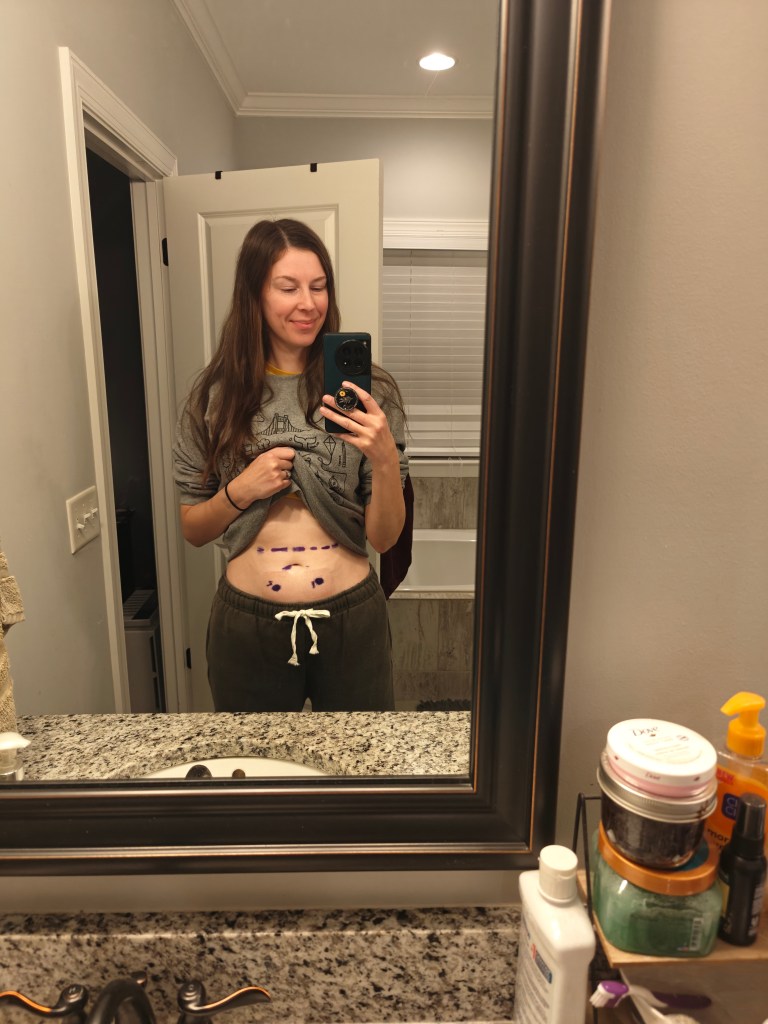
For anyone contemplating surgery but feeling unheard, Jenna encourages seeking another medical opinion.
“If you’re considering a colectomy (even just as a backup option) but your current GI isn’t open to it, I suggest getting a second opinion. I can’t express how emotionally and mentally empowering it is to find a GI who is willing to come alongside you and support you in your health journey.”
A decision that considered future family plans
Jenna’s surgery wasn’t simply about removing her colon. It also involved carefully considering her reproductive goals.
She underwent a subtotal colectomy, meaning her colon was removed while her rectum remained.
Importantly, keeping her rectum was not because she hoped to have a reversal or pursue a J-pouch. Given the severity of her disease, her medical team anticipated that reconnecting her small intestine to her rectum could cause inflammation. Jenna had also researched her options and personally decided that a J-pouch wasn’t something she wanted.
Instead, retaining her rectum was part of a discussion about fertility.
Because the rectum is located near reproductive organs, her surgeon explained that removing it could create scar tissue that might affect her fallopian tubes. Since having a family was one of Jenna’s life goals, they decided to leave her rectum in place for the time being. She plans to have it surgically removed after completing her family.
It’s an important reminder that ostomy surgery isn’t one-size-fits-all. Decisions about removing the colon, retaining the rectum, pursuing a reversal, or having additional surgery should be individualized and discussed with an experienced surgical team.
For Jenna, understanding her options and making decisions that aligned with her future mattered just as much as addressing her immediate symptoms.
Preparing mentally for surgery: Making a list of what Crohn’s had taken
Jenna says she spent considerably more time preparing mentally than physically for surgery.
Since she had known for some time that a colectomy might eventually be necessary, she researched the procedure, learned about different surgical options, and followed other ostomates on social media.
But one exercise made a particularly meaningful difference.
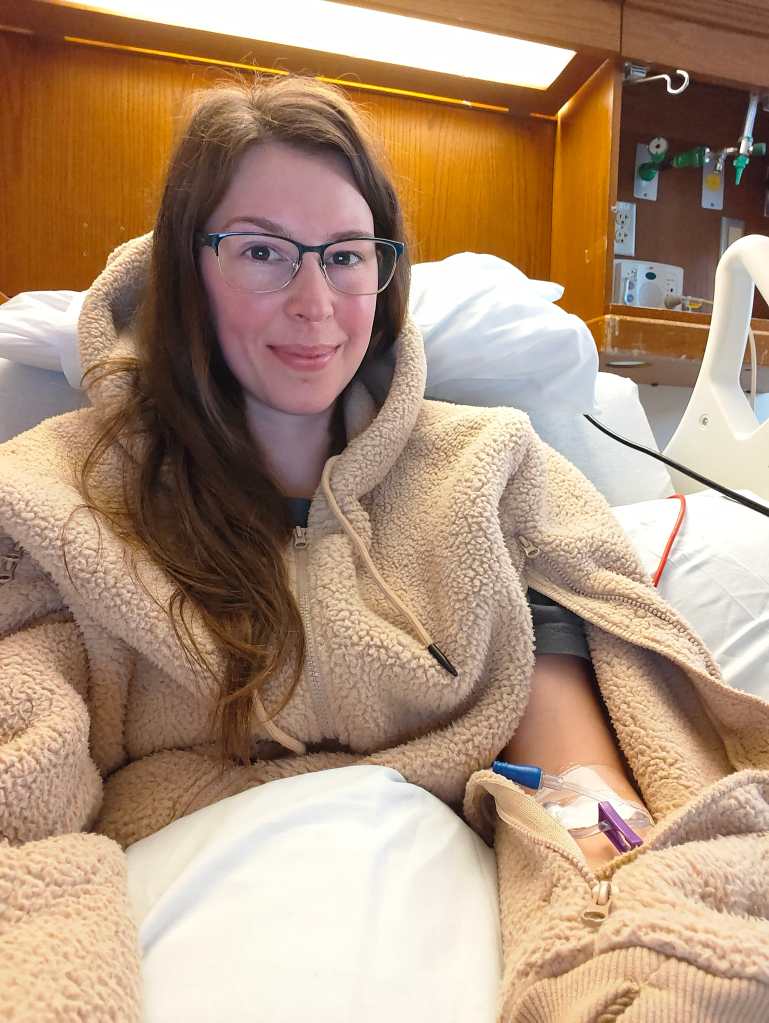
She started keeping a running list of everything Crohn’s disease had taken from her.
The list included missing family weddings, canceling vacations, putting her writing and author goals on hold, wearing adult diapers everywhere, and losing touch with friends because of canceled plans.
Whenever she questioned whether surgery was the right decision, she returned to that list.
The night before her colectomy, when nerves and emotions began to surface, she read it again.
“It gave me confidence and hope when I was wheeled into surgery the next morning,” she says.
It’s a powerful perspective for anyone facing a major medical decision. Sometimes, remembering what you’ve already endured can help bring clarity to what comes next.
The power of seeing yourself in someone else’s story
Another major source of reassurance for Jenna was the online ostomy community.
Through Instagram, she had followed people with ostomies who were exercising, working, traveling, raising families, and living full lives.
Seeing those experiences helped her envision a future that didn’t revolve around Crohn’s symptoms.
“Over the years, I’ve followed friends online and saw ostomates exercising, working, traveling, and raising families. They were truly living,” she explains.
Those stories helped normalize ostomy life and made her feel more confident about what was ahead.
Jenna also felt surrounded by support from her husband, family, medical team, and online community in the days leading up to surgery.
“I felt like I had the whole ostomy and IBD community by my side.”
For patients who may feel isolated or frightened by the prospect of an ostomy, connecting with people who have firsthand experience can offer a different kind of reassurance. An “easy” way to connect with ostomates online is to look up the hashtags: #ostomate #colectomy #ileostomy.
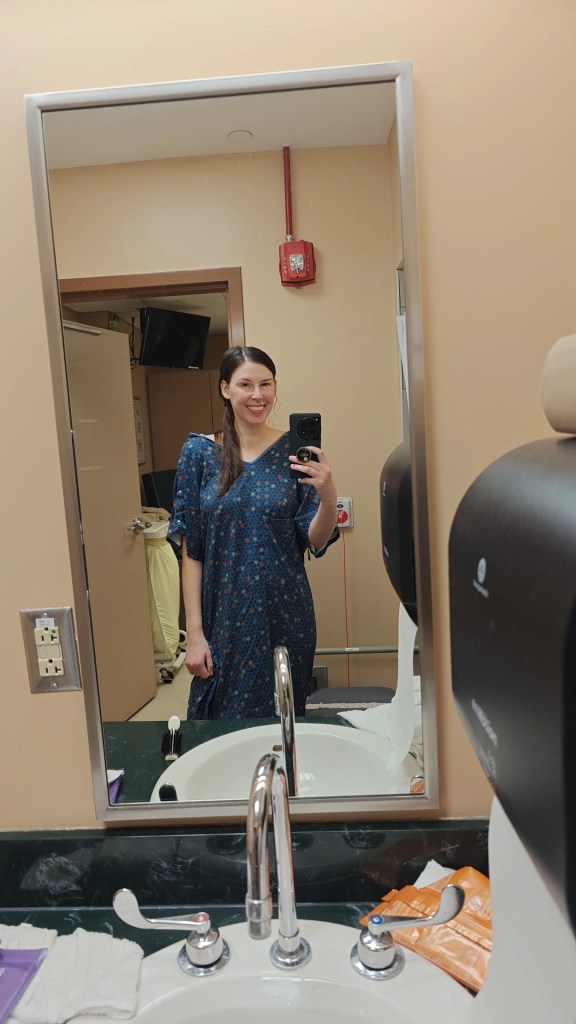
What Jenna wishes more patients understood about surgery
One of Jenna’s biggest takeaways is that ostomy surgery should not automatically be viewed as a failure.
“I really don’t like how surgery is often positioned as something that should be avoided at all costs,” she says.
She acknowledges that ostomy life comes with its own challenges, including the risk of hernias and obstructions, appliance changes, and managing output. But she also believes patients deserve to have honest conversations about surgery before reaching a point of complete physical and emotional exhaustion.
For Jenna, the decision came after trying multiple medication classes and recognizing that she no longer wanted to continue the cycle of waiting to see whether another treatment would work.
She emphasizes that every patient’s circumstances are different. There may be additional medications, combination therapies, or clinical trials worth exploring. But patients should also feel empowered to discuss surgery when it aligns with their symptoms, medical history, and personal goals.
“Ultimately, you know your body best. You know your life goals and dreams. You know your medical history, your symptoms, your mental capacity for the roller coaster of trying (and potentially failing) more medications.”
When asked what she would tell her pre-surgery self, Jenna doesn’t hesitate:
“This is going to be hard, but it’s going to be so worth it. In fact, knowing what I know now, I wish I had gotten the surgery years ago.”
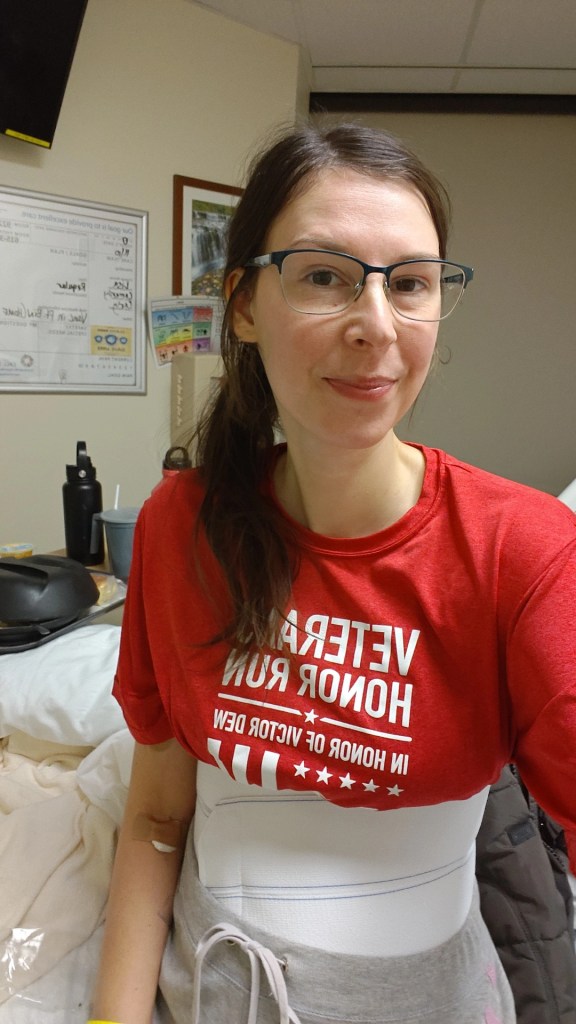
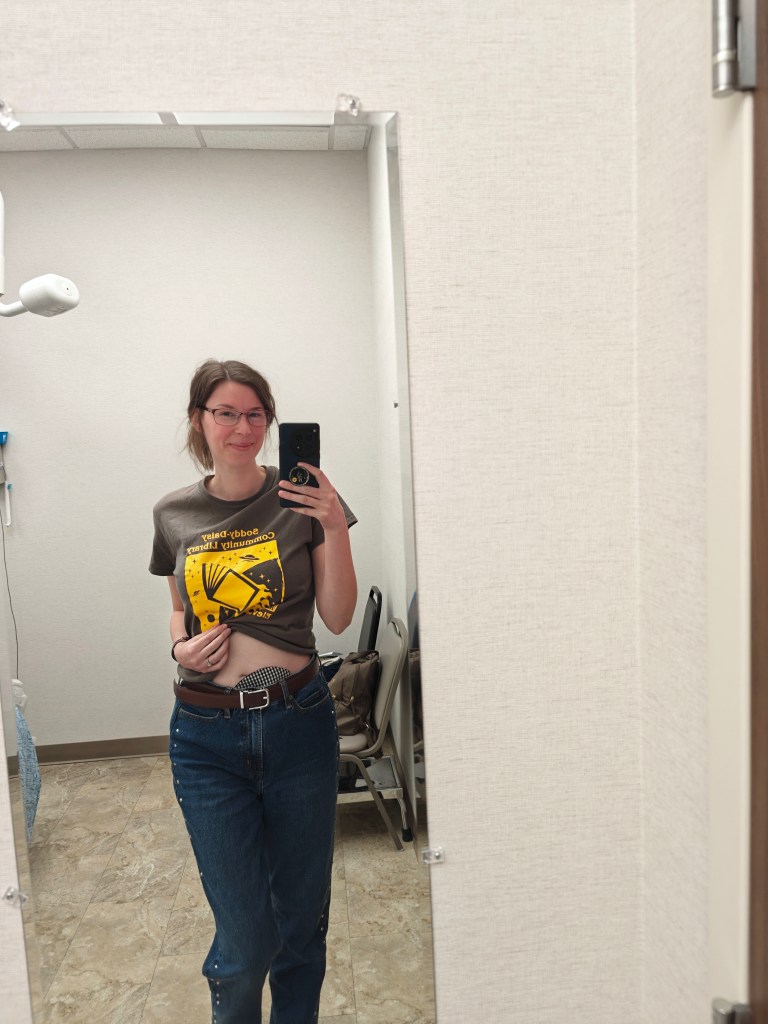
Her experience is a reminder that there is no single right path when navigating IBD. For some, the next medication is the answer. For others, surgery may offer an opportunity to reclaim parts of life that chronic illness has taken away.
And neither decision should come with shame.
Stay tuned for Part 2 on Lights, Camera, Crohn’s TOMORROW, where Jenna shares the realities of ostomy recovery, from unexpected pain and learning to change her appliance to finding her way back to everyday activities and eventually feeling like herself again. She has incredible advice you don’t want to miss!

